
Designing the Ultimate Showroom
The modern showroom has evolved into something far more complex and valuable than a simple display environment. It now operates at the intersection of retail, media, and brand storytelling. In today’s landscape, where buyers often discover brands online before ever stepping into a physical space, the showroom must deliver on the promise that digital first impressions create. It is no longer enough for a showroom to be visually appealing. It must feel aligned, intentional, and worthy of the brand it represents.
The ultimate showroom serves multiple purposes at once. It is a sales environment where transactions happen, but it is also a relationship-building space where trust is established. It functions as a content studio where imagery is captured and shared, and as a press environment where editors and stylists form their perception of the brand. Every inch of the space contributes to how the brand is understood.
In luxury and high-design sectors especially, the showroom becomes a physical manifestation of credibility. Buyers and clients are evaluating the brand behind the product. The materials, layout, and experience all signal quality, stability, and value. A well-designed showroom communicates confidence without needing to say it explicitly.
Designing for Flow and Function
Flow is one of the most important and often overlooked aspects of showroom design. A space can be beautifully designed, but if it does not guide the visitor naturally, it creates friction that impacts both experience and sales. The ultimate showroom anticipates how people move, where they pause, and what draws their attention.
The entry moment is critical. Within seconds of walking in, a visitor should understand the tone of the brand. This is achieved through a strong visual anchor, whether that is a hero product display, a sculptural installation, or a signature design element that immediately captures attention. This moment sets expectations for everything that follows. From there, the layout should unfold in a way that feels intuitive rather than forced. Visitors should feel invited to explore, not directed. Pathways should be clear but not rigid, allowing for both guided and organic movement. Product zones can be organized by collection, category, or story, but transitions between them should feel seamless.
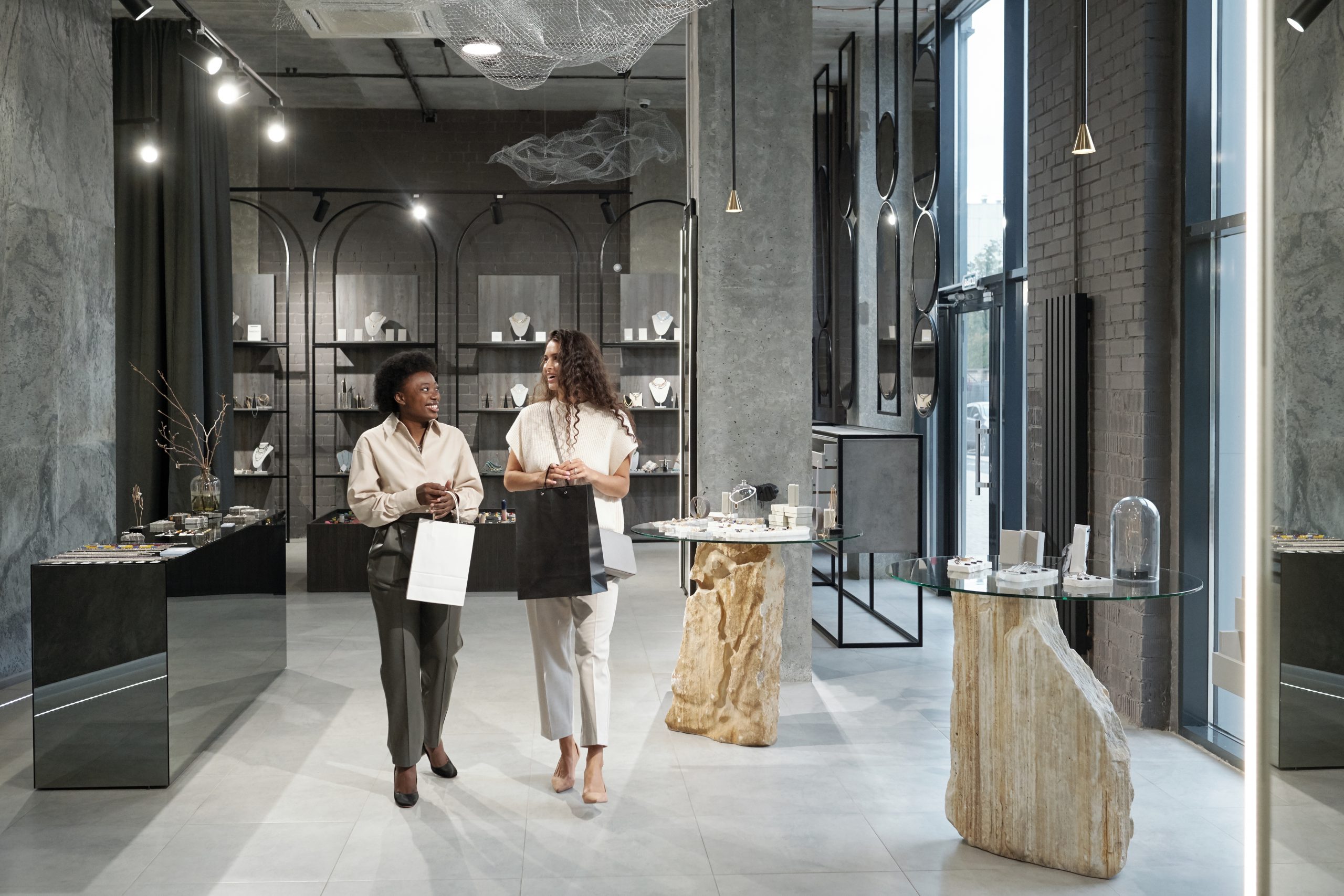
Private areas are equally important. In high value transactions, especially in jewelry or luxury goods, discretion and comfort are essential. Dedicated spaces for one-on-one consultations allow for deeper conversations, customization discussions, and a more personal client experience. These areas should feel distinct yet connected to the overall design language of the showroom. Functionality should never be sacrificed for aesthetics. Storage, security, and operational needs must be integrated into the design in a way that feels invisible to the visitor but highly efficient for the team.
Lighting as a Strategic Tool
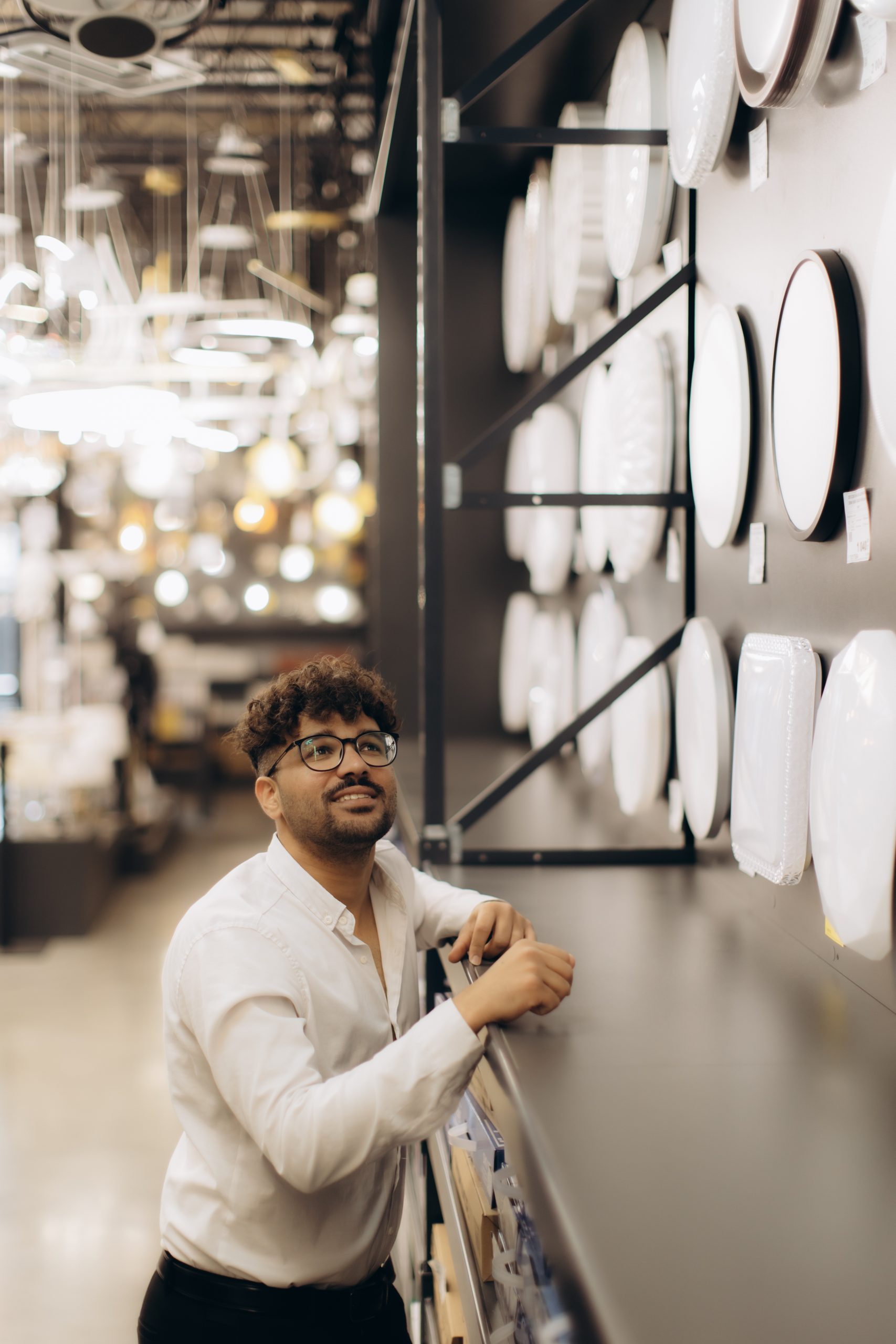
Lighting is one of the most powerful tools in shaping perception within a showroom. It influences how materials appear, how colors are perceived, and how comfortable the space feels. Yet it is often treated as a secondary consideration rather than a primary design element. The ultimate showroom uses layered lighting to create depth and dimension. Ambient lighting establishes the overall mood, ensuring the space feels welcoming and balanced. Task lighting provides clarity where it is needed, particularly in areas where product is being examined closely. Accent lighting is used to highlight key pieces, drawing the eye and creating focal points throughout the space.
For jewelry and other reflective materials, lighting must be approached with precision. The angle, intensity, and color temperature all impact how stones and metals are perceived. Proper lighting enhances brilliance and reveals craftsmanship, while poor lighting can diminish even the most exceptional pieces. Consistency is also key. Natural light can elevate a showroom, adding warmth and authenticity, but it must be controlled. Variations throughout the day can create inconsistencies that affect how product is viewed. The best showrooms balance natural and artificial light to maintain a stable and flattering environment at all times.
Materiality and Sensory Experience
Material choices define the emotional tone of a showroom. They communicate quality, positioning, and intention without requiring explanation. The ultimate showroom uses materials strategically to reinforce brand identity and create a cohesive sensory experience. Luxury is often expressed through restraint. Rather than overwhelming the space with multiple competing materials, the focus should be on a curated selection that works in harmony. Rich woods, polished metals, natural stone, and refined textiles can create a sense of depth and sophistication when used thoughtfully.
Texture plays a significant role in how a space is experienced. Smooth surfaces reflect light and create a sense of clarity, while textured materials add warmth and dimension. The interplay between these elements creates a dynamic environment that feels both elevated and inviting. Beyond the visual, sensory elements such as scent and sound can enhance the experience in subtle but impactful ways. A consistent, understated fragrance can become part of the brand identity, while carefully curated soundscapes can influence the pace and mood of the space. These details are often not consciously noticed, but they contribute significantly to how the showroom is remembered.
Product Presentation and Merchandising Strategy
The way product is presented within a showroom directly influences how it is perceived and valued. The ultimate showroom treats merchandising as both an art and a science, balancing aesthetic appeal with strategic intent. Each piece should have space to be seen and understood. Overcrowding diminishes impact and creates visual noise that makes it difficult for visitors to focus. Strategic spacing allows key pieces to stand out, elevating their perceived value and importance.
Groupings should tell a story. Whether organized by collection, theme, or lifestyle, the arrangement should help visitors understand how pieces relate to one another. This storytelling approach not only enhances the visual experience but also supports sales by providing context. Flexibility is essential in a dynamic market. As collections evolve and new products are introduced, the showroom should be able to adapt quickly. Modular display systems, adjustable lighting, and interchangeable elements allow for regular updates without requiring a complete redesign.
Merchandising should also consider different types of buyers. Retailers may be looking for assortment strategies, while private clients may be drawn to emotional or aspirational narratives. The showroom should cater to both perspectives simultaneously.
Integrating Digital Without Losing Warmth
Technology has become an integral part of the showroom experience, but its role should be carefully considered. The ultimate showroom integrates digital tools in a way that enhances the experience without overshadowing it. Digital displays can provide deeper storytelling, offering insights into sourcing, craftsmanship, and customization options. Tablets or interactive screens can allow clients to explore variations, view additional inventory, or visualize bespoke designs. These tools add value by expanding what can be shown beyond what is physically present.
However, technology should never replace human interaction. The most memorable showroom experiences are built on personal connection. Digital elements should support conversations, not interrupt them. The goal is to create a seamless blend where technology feels like a natural extension of the experience rather than a separate layer. Warmth is what differentiates a showroom from a purely digital environment. Materials, lighting, and human engagement all contribute to this sense of warmth, ensuring that the space feels inviting rather than transactional.
Designing for Content and Press
In today’s media-driven landscape, every showroom must also function as a content-ready environment. Editors, influencers, and clients are constantly capturing and sharing imagery, and the showroom should be designed to support this organically. Visual moments should be built into the design. These can take the form of curated vignettes, striking backdrops, or signature design elements that are instantly recognizable. These moments not only enhance the in-person experience but also extend the reach of the brand through shared content.
Lighting plays a critical role here as well. Spaces that are well-lit and visually balanced are easier to photograph, increasing the likelihood that content captured within the showroom will be high quality and widely shared. Branding should be present but subtle. The goal is for the space to be identifiable without feeling overly branded or forced. When done well, images captured in the showroom naturally reinforce brand identity without requiring additional context.
The Role of Hospitality
Hospitality is what transforms a showroom from a functional space into a memorable experience. It is the human element that brings the design to life and creates lasting impressions. The way guests are welcomed sets the tone for their entire visit. A warm, attentive greeting immediately establishes a sense of care and professionalism. From there, the experience should feel personalized and thoughtful, with attention to detail at every touchpoint.
Comfort is key. Seating areas should invite guests to linger, encouraging deeper engagement with the product and the brand. Offering refreshments, whether simple or elevated, adds another layer of hospitality that enhances the overall experience. In luxury environments, hospitality is expected, but it is also an opportunity to differentiate. The ultimate showroom anticipates needs and creates moments of ease and enjoyment that go beyond the transactional.
Location and Context
A showroom does not exist in isolation. Its location and surrounding context play a significant role in how it is perceived and who it attracts. The ultimate showroom is strategically positioned to align with its target audience and brand positioning. Being situated within a design district, luxury retail corridor, or trade show environment can enhance visibility and credibility. Proximity to complementary brands can create a sense of community and increase foot traffic from aligned audiences.
Context also influences how the showroom is experienced. A space in a bustling urban environment may need to create a sense of calm and escape, while a showroom in a quieter setting may focus on drawing people in through distinct design and programming. Understanding the broader ecosystem allows the showroom to function as part of a larger narrative rather than as a standalone entity.
Longevity and Evolution
The ultimate showroom is designed not just for the present but for the future. Trends will shift, collections will evolve, and business needs will change. A well-designed space is built to adapt without losing its core identity. This begins with a strong foundation. High-quality materials, thoughtful construction, and timeless design principles ensure that the showroom remains relevant over time. Rather than chasing trends, the focus should be on creating a space that feels enduring and authentic.
At the same time, the showroom should allow for regular updates. Seasonal styling, new product displays, and refreshed visual elements keep the space dynamic and engaging. These updates signal that the brand is active and evolving, even as the overall design remains consistent.
Designing the ultimate showroom is about aligning strategy, design, and experience into a cohesive whole. It requires an understanding of how people move, how they perceive value, and how they connect with a brand on both a rational and emotional level.
When all of these elements come together, the showroom becomes more than a place to display product. It becomes a powerful tool for storytelling, relationship building, and growth. It is a space where brand identity is not just communicated but experienced. The most successful showrooms are those that leave a lasting impression. Not because they are the most elaborate, but because they are the most intentional.