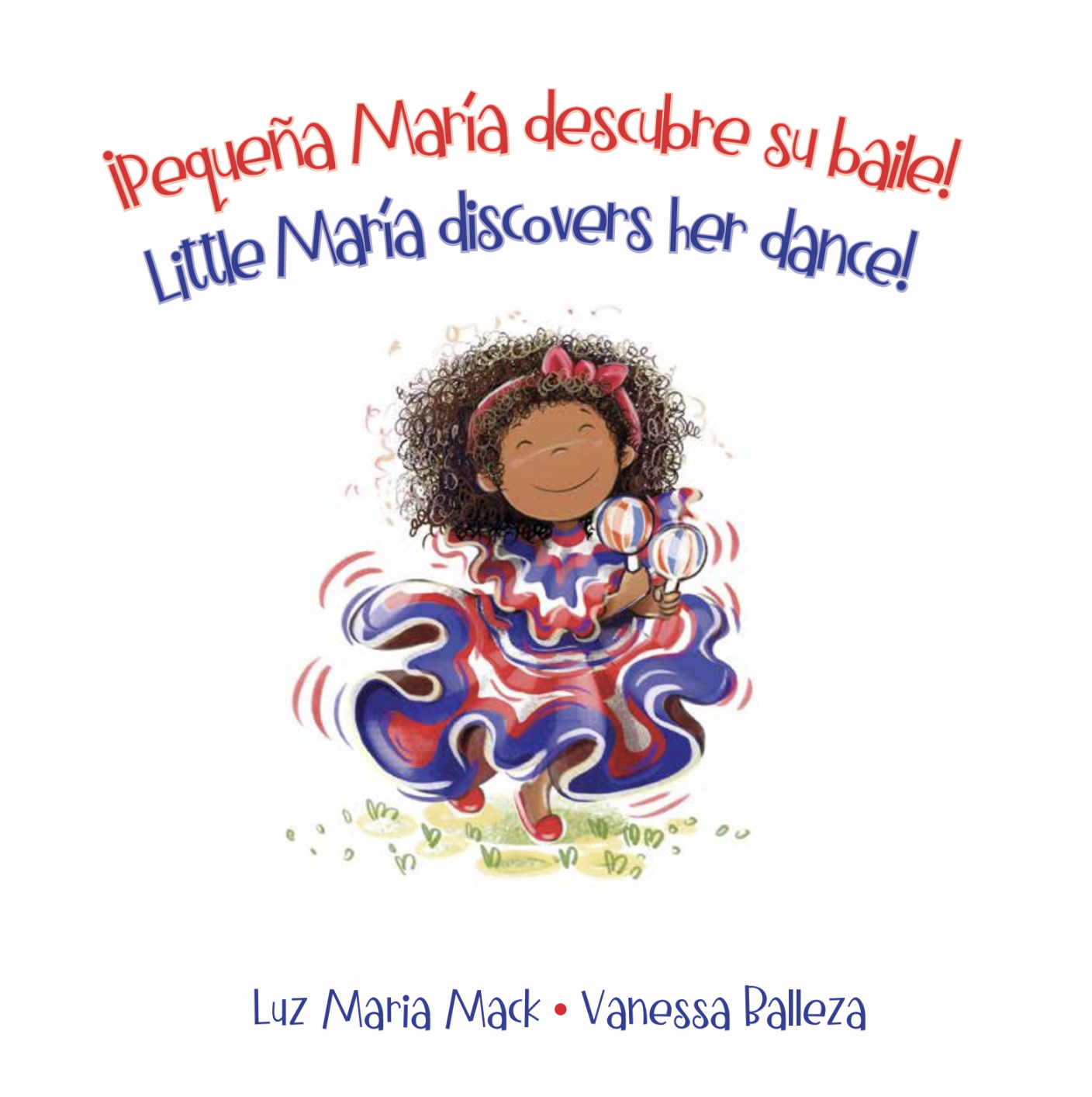
For Caribbean American Heritage Month, Dominican American author Luz Maria Mack is using storytelling to celebrate culture, identity, family, and traditions that shape Caribbean communities across generations. Through her children’s books Bachatica and ¡Pequeña María descubre su baile!, Mack creates stories rooted in Dominican culture and Afro Caribbean identity while introducing young readers to themes of self-expression, confidence and cultural pride. Her work represents a growing movement within children’s literature that seeks to create authentic representation for communities that have historically been overlooked in mainstream publishing.
Born in Villa Mella, Dominican Republic, and currently residing in the South Bronx, Mack’s storytelling is connected to her own lived experiences. Her books reflect the realities of many Caribbean and immigrant families who navigate multiple identities while remaining connected to language, music, dance, family traditions, and community.
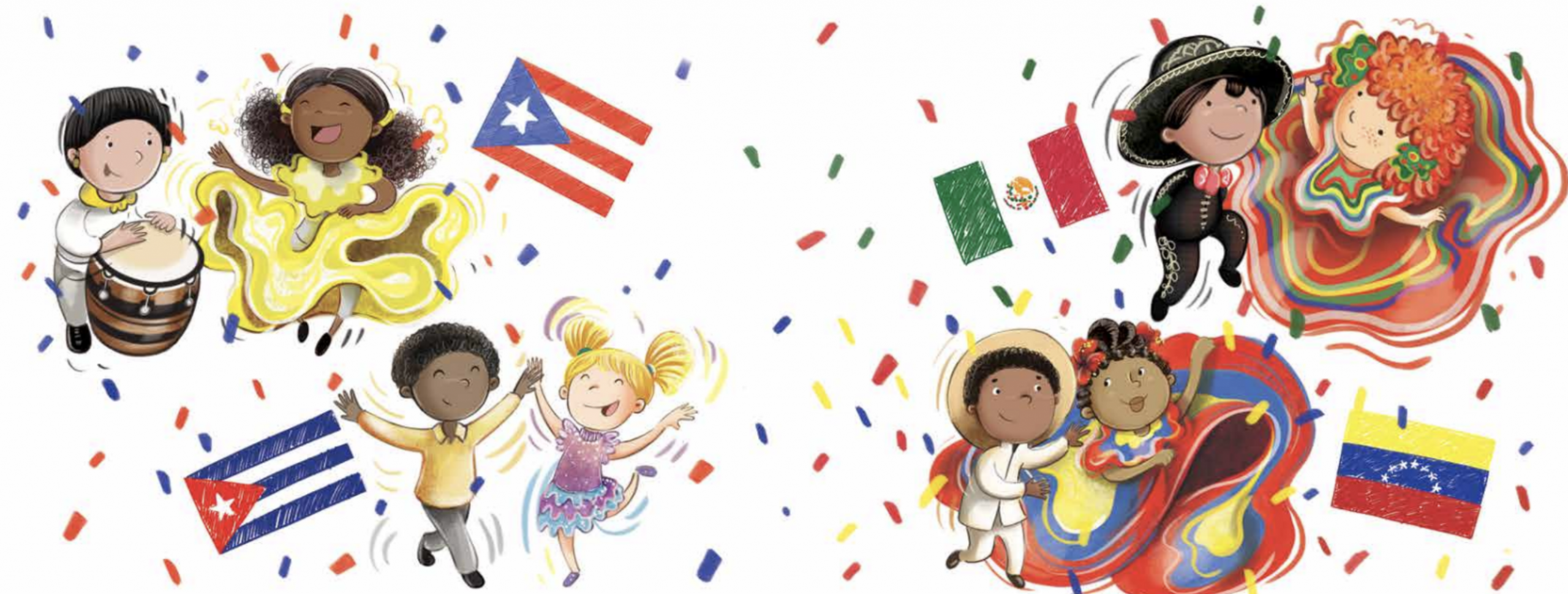
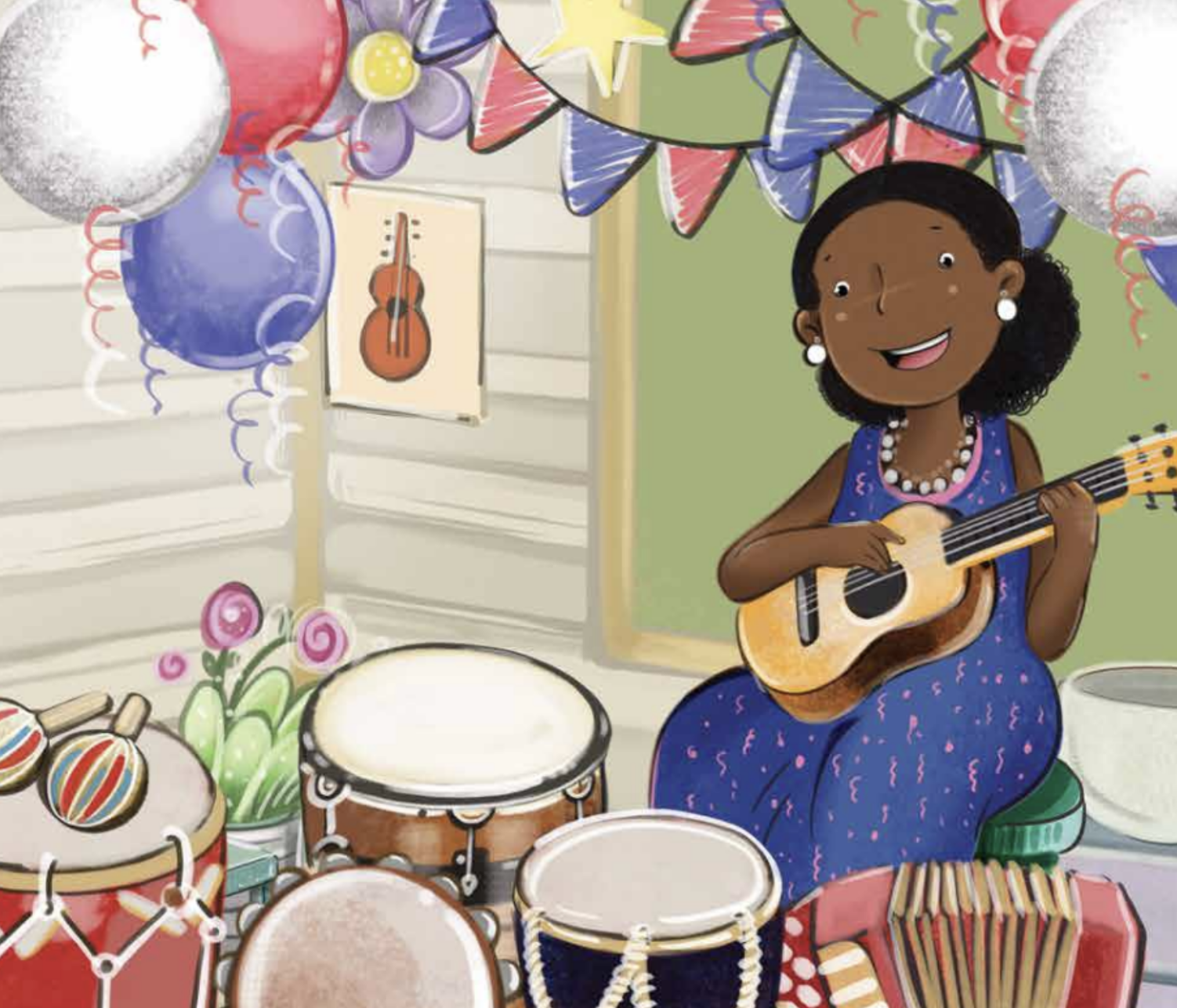
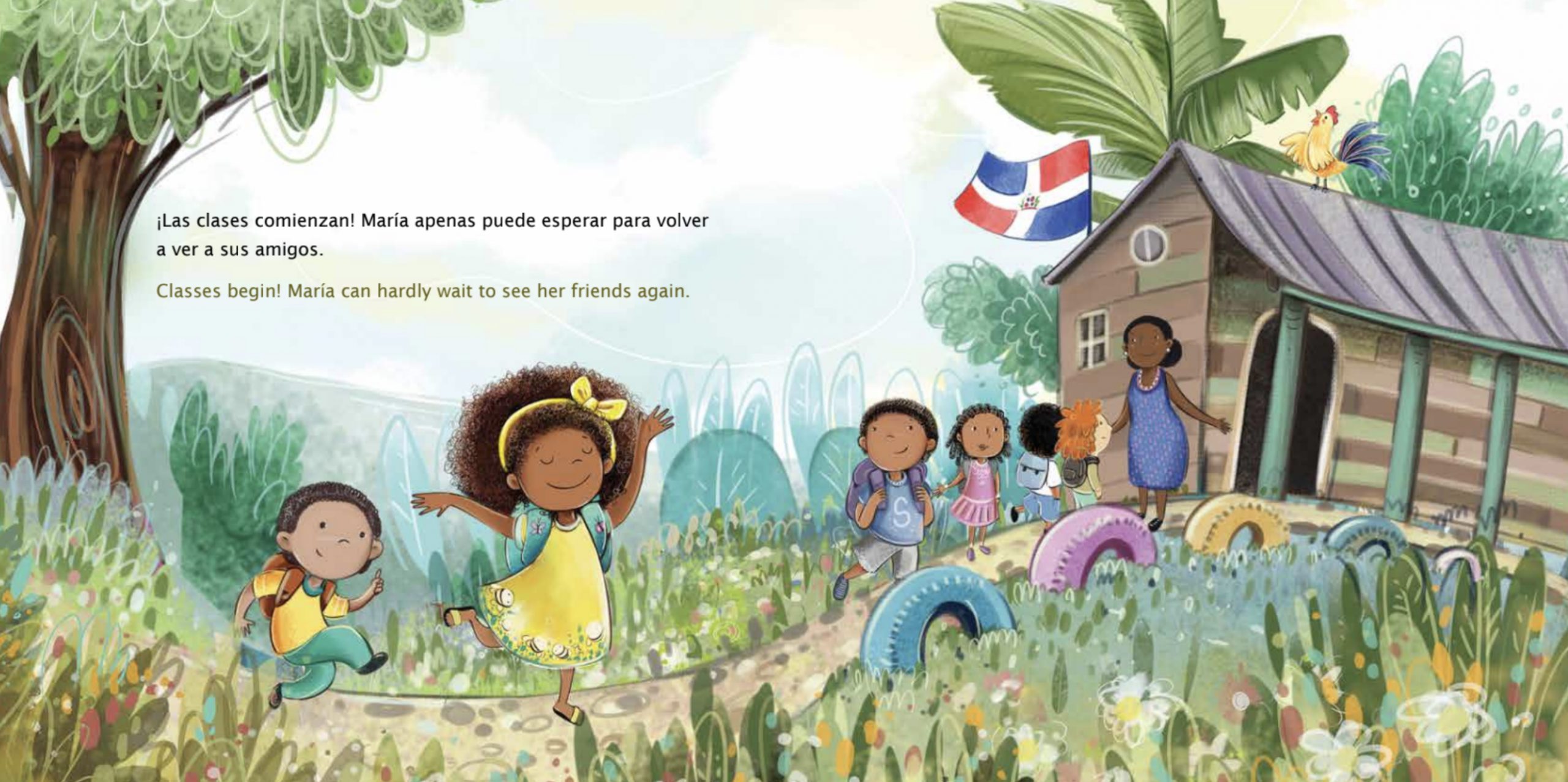
In many Caribbean households, music and dance are central to everyday life. They represent history, celebration, resilience and memory. Mack brings those traditions into children’s literature in a way that feels natural and accessible for younger audiences. Dance serves as one of the strongest recurring themes throughout her work. In ¡Pequeña María descubre su baile!, readers follow a young girl exploring different styles of movement before discovering her own rhythm and confidence. The story becomes a journey of discovery that encourages children to embrace creativity while learning to value their individuality and cultural background. The book also highlights the emotional connection many children experience when discovering activities that allow them to feel seen. Through movement and music, the story reinforces the idea that identity can be celebrated joyfully.
Similarly, Bachatica introduces children to bachata, one of the Dominican Republic’s most recognizable musical traditions. Here, Mack presents it as a meaningful part of Dominican culture tied to generational connection. Bachata reflects history and migration…love and struggle in everyday life. Introducing these themes, Mack helps preserve traditions that are often passed down orally or through lived community experiences.
Her storytelling stands out because it centers Dominican and Afro Caribbean experiences without simplifying them for outside audiences. Spanish language, Caribbean neighborhoods, family dynamics and cultural references are woven organically, allowing children from similar backgrounds to feel represented. Representation in children’s literature has become an increasingly important conversation. While publishing has expanded its efforts toward inclusion, Afro Latino and Caribbean communities are underrepresented across educational media and entertainment spaces for children. For kids, this can affect how they see themselves and their place within the world around them. Seeing characters who share their language and experiences can help build self worth from an early age. Mack’s work directly addresses that need by creating stories where Caribbean identity fully centered and celebrated.
Her books also provide an opportunity for children outside of Caribbean communities to engage with Dominican culture in an accessible way. Through storytelling, young readers are introduced to traditions, language and experiences that broaden cultural understanding.
Beyond publishing, Mack’s storytelling has expanded into animation and educational media. The animated adaptation of ¡Pequeña María descubre su baile! received recognition as Best Animated Short Film at Bridge Fest and later aired on PBS’s Chat & Learn. The adaptation brings Dominican centered storytelling into broader educational and family programming spaces. The success of the animation reflects a growing demand for multicultural stories. Audiences increasingly want children’s media that allows children from all backgrounds to connect through universal themes.
For Caribbean American Heritage Month, Mack’s work serves as an example of how literature can preserve culture while also creating space for future generations to feel proud of their heritage. Her stories remind readers that cultural identity is to be enjoyed. Through bilingual storytelling, Mack captures those experiences in ways that resonate with parents and children alike. Caribbean Heritage Month often highlights the influence Caribbean communities have had on music, art, food, sports, and global culture. Mack’s work demonstrates that children’s literature also plays an equally important role in preserving and celebrating Caribbean identity. Who doesn’t love stories rooted in rhythm?