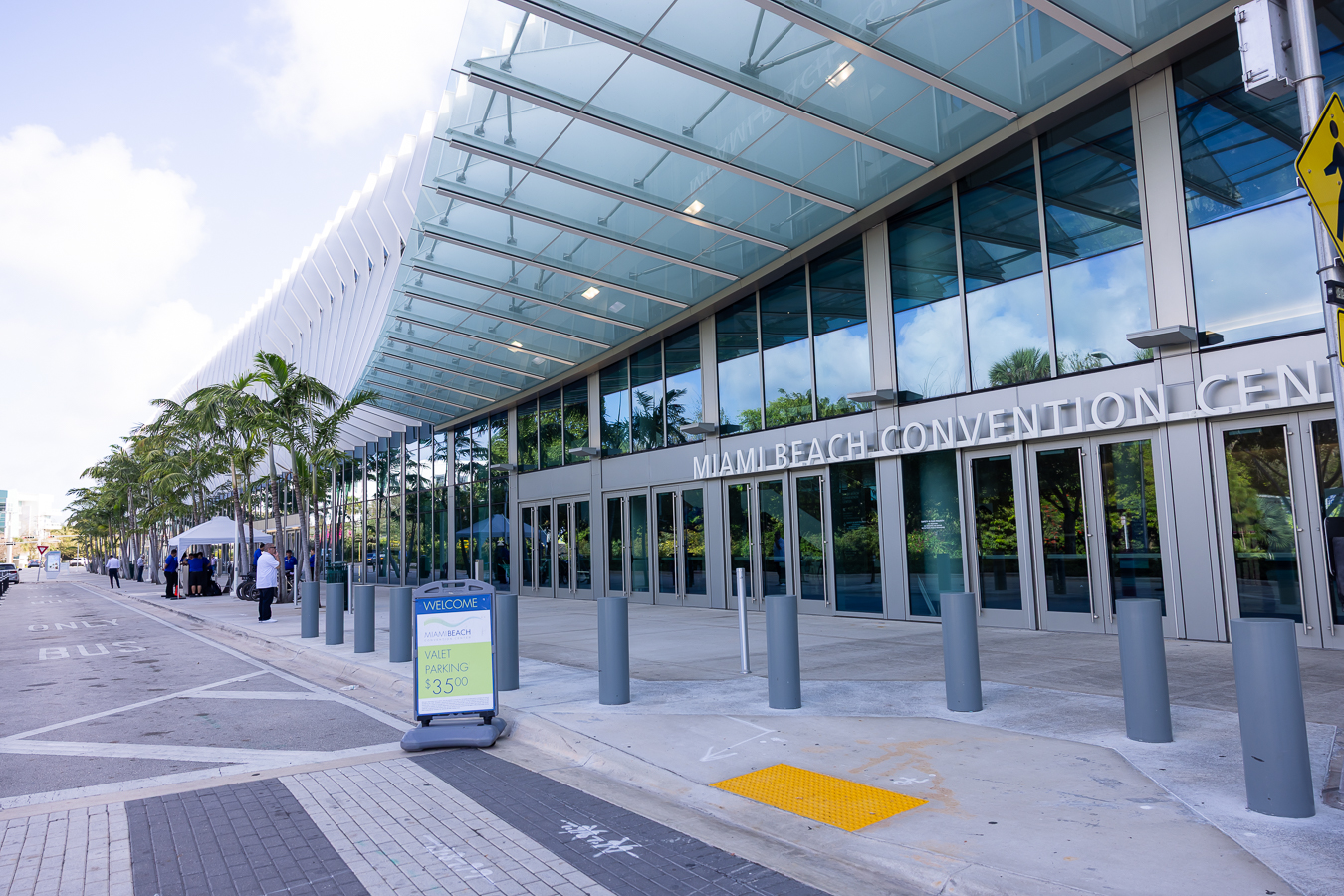
Miami is increasingly emerging as a critical global crossroads for the jewelry industry, driven by its geographic positioning, diverse buyer base, and role as an early indicator of market behavior. As the global jewelry market continues to expand, valued at approximately 389 billion dollars in 2025 and projected to reach over 594 billion dollars by 2034, growing at a compound annual growth rate of about 4.8 percent according to Market Data Forecast, the importance of centralized, cross-border trading centers has become more pronounced. Within this evolving landscape, cities that can facilitate international commerce, connect emerging markets, and provide early insight into buyer demand are becoming increasingly valuable, and Miami is uniquely positioned to fulfill this role.
One of the key factors behind Miami’s rise as a global crossroads is its connection to Latin America, one of the fastest-evolving regions in the jewelry sector. The Latin American jewelry market is projected to reach approximately 35.3 billion dollars in 2026 and grow to over 46.1 billion dollars by 2031, with a compound annual growth rate of 5.48 percent, according to Mordor Intelligence. This growth is being driven by rising disposable incomes, expanding middle-class populations, and increasing demand for both fine and branded jewelry. Miami brings together buyers from across Latin America and the Caribbean with U.S. retailers and international exhibitors, creating a centralized environment where cross-border sourcing becomes more efficient and accessible. As Bryan Crisfield, CEO of Crislu, explains, “We’re seeing strong momentum at the start of the year, particularly from retailers investing in proven core assortments and brands that can deliver consistent availability and margin. The Southeast market continues to show healthy growth, driven by both domestic and international demand. JIS Miami plays a pivotal role as a global jewelry gateway, connecting world-class sourcing with one of the most dynamic retail regions in the U.S.”
At the same time, Miami’s role as a crossroads extends beyond geography into shaping how business is conducted. The global jewelry market is not only growing in size but also evolving in structure, with North America accounting for approximately 22.2 percent of global market share in 2025, according to Grand View Research. As retailers face increasing pressure from rising gold prices, tariff uncertainty, and fluctuating consumer demand, buying behavior has shifted toward more strategic and measured decision-making. Gold jewelry alone accounted for approximately 55 percent of global jewelry revenue in 2025, underscoring how material costs influence purchasing strategies. At JIS Miami, this shift is visible on the ground, where buyers are placing smaller, more calculated orders and prioritizing flexibility, margin protection, and faster turnover. Sara McDonough, Event Director of JIS Events, notes that “JIS Spring continues to deliver exactly what the industry needs at this time of year. It’s an efficient, high-impact opportunity where real buying happens. The quality of the conversations on the floor, ability for immediate access to product, and the energy on the show floor reinforces why this unique show is a first quarter must.”
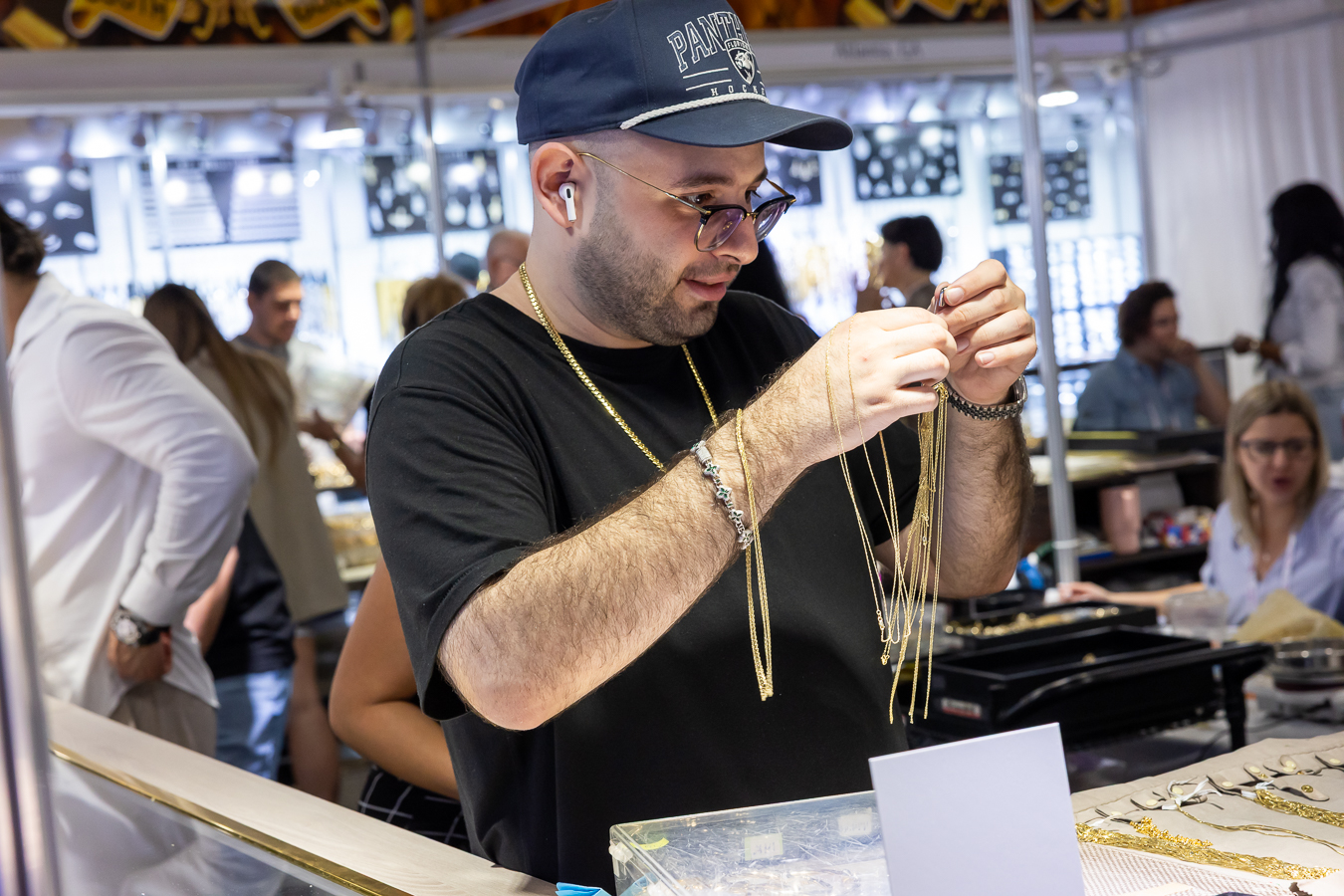
This evolving buying behavior is also reflected in the experiences of retailers attending the show. Ligia S. de Castaneda, Manager of Aballone by Castaneda, shares that “for the last 32 years, opportunity has blossomed for my business during the JIS Shows. I have been attending since 1994. I love to see new trends in the market, precious stone goods, and fancy, new designs for day-to-day wear.” Buyers are increasingly focused on identifying reliable partners and product that aligns with their customers’ needs, reinforcing the importance of trust and consistency in sourcing decisions. Ana Cecilia Aragón Cartagena, Owner of Argento D’Molly, highlights this dynamic, noting that “I have a passion for jewelry and my clientele, and here at JIS I always find the right merchandise for my customers. Additionally, I feel safe buying at the show, having found the right and reliable suppliers.”
For exhibitors, Miami’s position as a crossroads creates opportunities for expansion across multiple regions simultaneously. Cori Miller, Founder and Creative Director of Corielle, explains that JIS Spring helped “the brand to expand wholesale partnerships and build relationships with luxury jewelry stylists across the Southeast, the Caribbean, and South America.” Similarly, Leslie Valdez, Marketing Associate at Ocean Jewelry, notes that “the show itself was very dynamic and well-attended, with strong engagement and a wide variety of visitors. We saw great interest in Ocean’s collections, further strengthening Ocean’s presence in the market, and had the opportunity to strengthen relationships with existing clients while also connecting with new and exciting accounts.” These perspectives underscore how Miami enables brands to simultaneously deepen existing relationships and enter new markets.
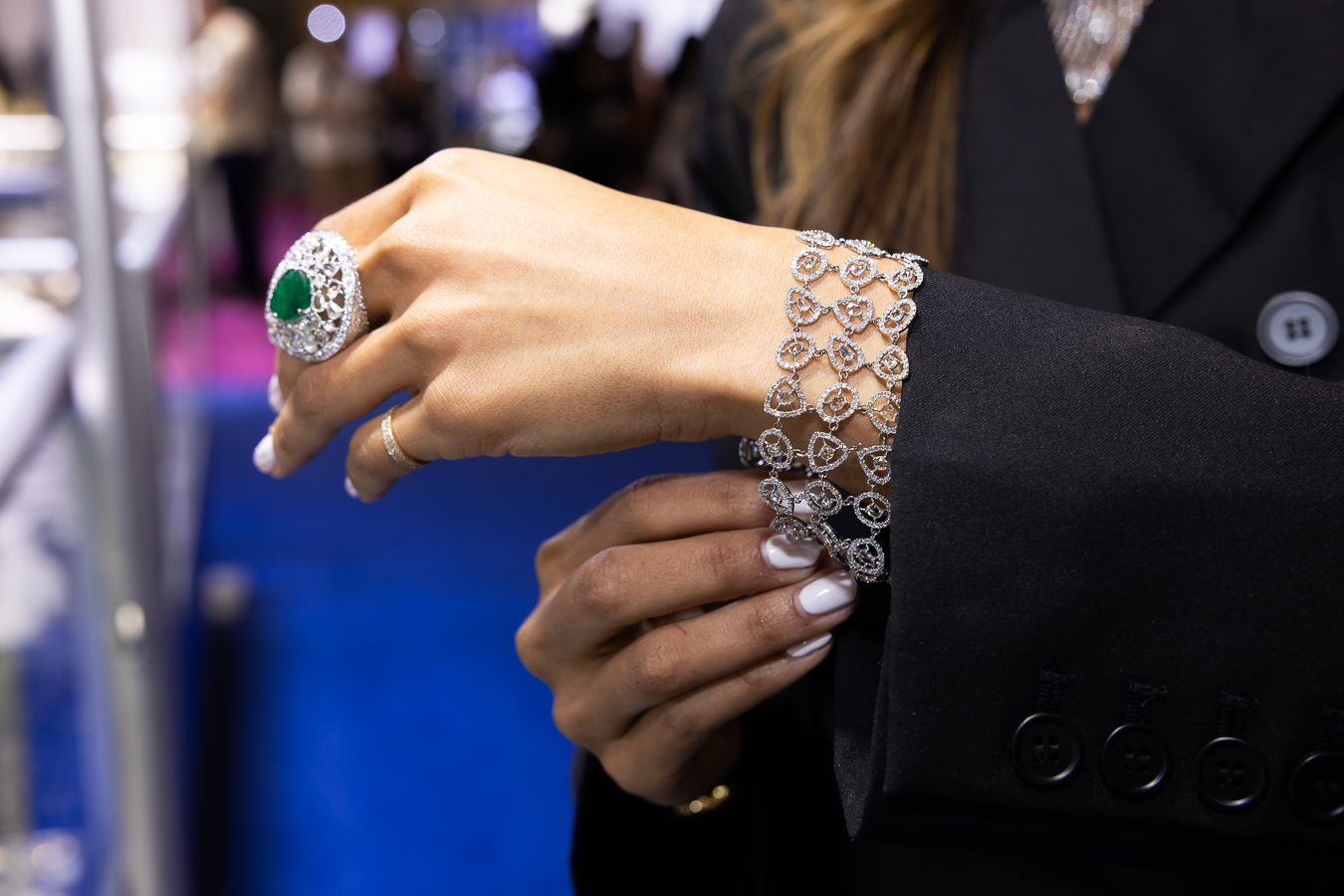
As global markets converge at this crossroads, design trends are also reflecting increased cultural exchange. There is growing demand for jewelry that feels distinctive, expressive, and personalized, particularly in categories such as bridal. Rohan Tak, CEO of Golden Stone USA, explains that “bridal jewelry buying is becoming more personalized, with couples prioritizing designs that reflect their individuality rather than traditional styles.” His company reports that custom bridal requests have increased by approximately 25 to 35 percent across U.S. clients, with engagement rings typically ranging from 5,000 to 50,000 dollars depending on stone quality and customization. There is also rising demand for natural color stones such as emeralds and sapphires, alongside a shift toward fancy shapes including oval, emerald, and pear cuts. Yogesh K Madhvani, CEO of SimplexDiam Inc., reinforces this shift, noting that “custom continues to grow, especially with elongated, fancy shapes in both natural and lab-grown.”
Another distinguishing factor is Miami’s connection to the travel and cruise retail sector, which adds an additional dimension to its role as a global crossroads. As one of the largest cruise hubs in the world, the city attracts buyers sourcing jewelry specifically for tourism-driven retail environments, where purchasing behavior is influenced by immediacy, accessibility, and experience. This creates a distinct distribution channel that complements traditional retail and further expands Miami’s influence within the global jewelry market.
At the same time, innovation within the show itself reflects the industry’s evolution. New initiatives such as the Gift and Accessories Pavilion are expanding product categories and attracting a broader range of buyers. As Lucina K Jewelry notes, “the new Gift and Accessories Pavilion is a great up and coming addition to JIS. The staff were incredibly helpful in crafting this new section.” These developments highlight how the show continues to adapt to changing market demands while maintaining its role as a high-impact sourcing environment.
In an industry projected to grow by more than 120 billion dollars between 2025 and 2030 according to Technavio, the ability to navigate global markets efficiently has become essential. Miami’s role as a crossroads for international buyers, exhibitors, and emerging trends positions it as more than a regional trade center. It is increasingly a strategic point where global commerce, cultural influence, and market insight intersect.
As the jewelry industry continues to evolve amid economic uncertainty and shifting consumer expectations, Miami offers a unique advantage. It provides access to multiple markets simultaneously, real-time visibility into buyer behavior, and a platform for international growth. In doing so, it is not only reflecting the future of the jewelry industry but actively shaping it.
Image credit (top): Corielle Natural Diamond Fine Jewelry (@coriellecollection)
Photography @DwayneTucker