Experiential Marketing Strategy: How to Plan One That Works
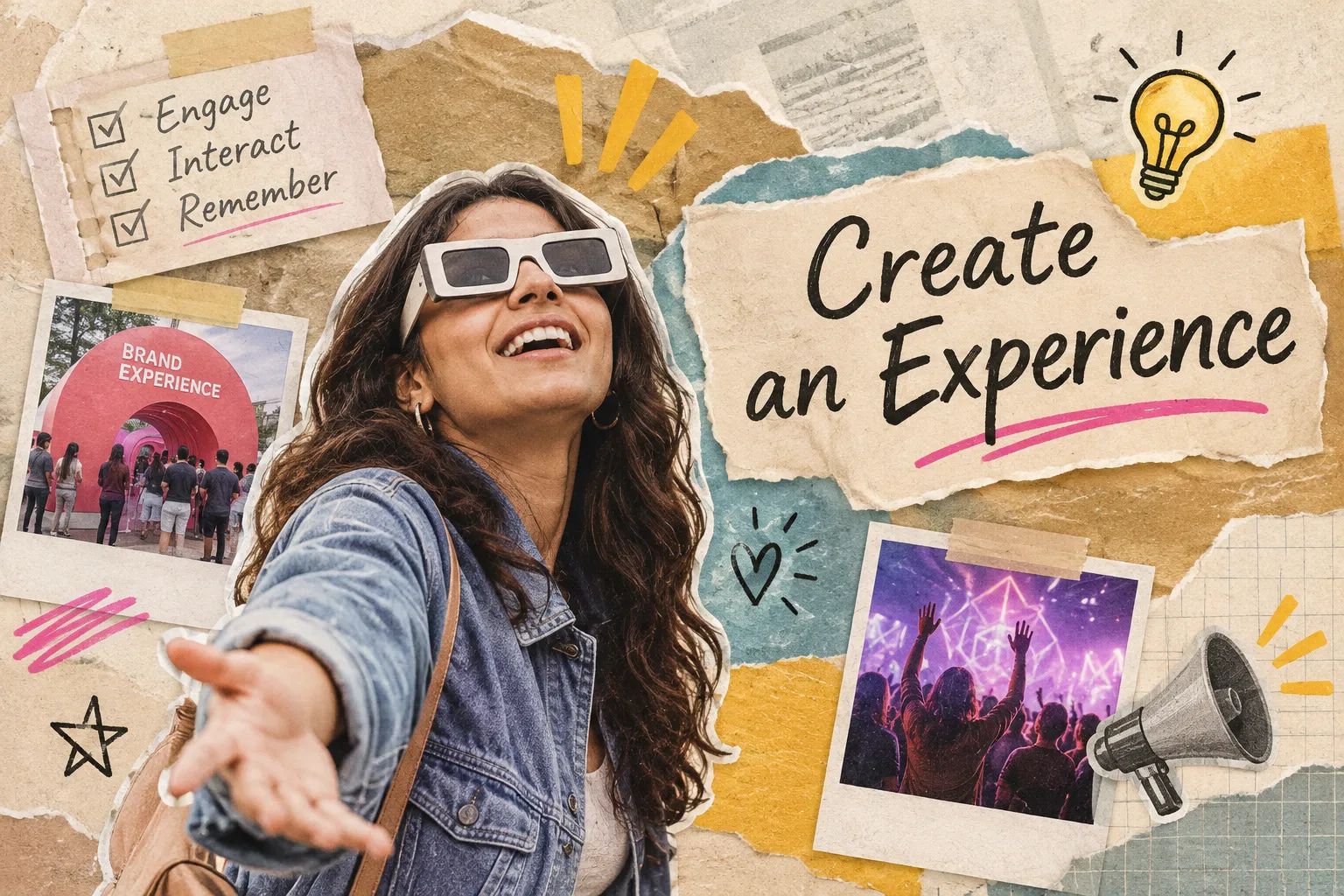
A strong experiential marketing strategy comes down to five moves: set one measurable goal, immerse yourself in your audience, pick the format that fits them, budget around the core interaction, and measure results beyond attendance. Before you commit to anything, run one planning test: why this audience, why this experience, and why now? If the answers don’t connect to your goal and a specific action you want people to take, keep refining the concept.
This guide gives you a practical path from goal to ROI, with examples from art, luxury, and consumer launches. You’ll see how to choose a format, build a budget, and track results that matter to the business.
At Pietra Communications, a PR, marketing, and branding agency, we offer both event production and PR. Later in this piece, we walk through a hypothetical museum opening to show how an experience can travel beyond the room.
Key takeaways
- One clear goal: Pick a single outcome and turn it into measurable targets before you design anything.
- Audience first: Build the experience around what your people think, feel, and do, not around your favorite idea.
- Format fit: Go where your audience already spends time, and match the format to B2B or B2C behavior.
- Press in the plan: Plan earned media alongside production so a small room can reach a larger audience.
- Measure beyond attendance: Pair engagement metrics with leads, sales, and cost per result.
How do you set goals for an experiential marketing strategy and understand your audience?
Start with one business objective
Pick a single outcome: awareness, product trial, sales, lead generation, loyalty, launch support, or repositioning. Then turn it into SMART targets with a number and a deadline, such as 50 qualified leads within 30 days or a set trial-to-purchase rate by the end of the quarter. Attendance and social engagement can sit alongside these targets as supporting metrics. Focusing on one primary objective helps align the experience and its measurement.
What is the difference between experiential marketing and event marketing?
Event marketing uses an organized gathering for marketing purposes, while experiential marketing makes the audience an active participant in the brand. An event can contain an experiential component, but the two terms aren’t interchangeable. An experience can also happen outside a formal event, such as a pop-up, an installation, or a product-testing booth.
| Approach | Audience role | Focus | Examples |
|---|---|---|---|
| Advertising | Passive viewer | Broadcasting a message to a broad audience | TV spots, billboards, display ads |
| Event marketing | Attendee | Awareness, relationships, leads | Trade shows, conferences, launches |
| Experiential marketing | Active participant | Memorable, two-way interaction | Pop-ups, trials, workshops, installations |
Immerse yourself in your audience first
Use customer data, surveys, interviews, and past-event insights to build practical segments. Note each group’s motivations and the barriers that keep them from acting.
Then map what people should think, feel, and do before, during, and after the experience. Name the one action you want, whether that’s trying a product, sharing content, or signing up, and remove friction at every stage.
Which type of experience fits your brand? Examples from art, luxury, and consumer launches
Match the format to where your audience already spends time
Your brand activation ideas include pop-ups, sampling and demos, interactive installations, workshops, sponsorships, mobile tours, cause-driven activations, and hybrid events. Choose based on where your audience already is, your product category, and the behavior you want. The B2B and B2C split shapes most of those choices.
| Factor | B2B | B2C |
|---|---|---|
| Goal | Trust, education, pipeline | Awareness, emotion, trial, purchase |
| Best formats | Conferences, demos, workshops, executive events | Pop-ups, sampling, installations, stunts |
| Experience design | Practical and consultative | Fast, visual, shareable |
| Conversion timeline | Weeks or months | Often immediate |
| Strongest proof | Business outcomes | Enjoyment, utility, social currency |
Experiential marketing examples: what real brands have done well
On the consumer side, IKEA uses room setups visitors can physically explore, and Apple TV+ has built immersive marketing environments around its shows. Patagonia’s Worn Wear repair events make its sustainability values tangible. Red Bull Stratos, the Felix Baumgartner space jump, worked as a PR-led stunt that embodied the brand’s link to extreme performance.
On the B2B side, Salesforce’s Dreamforce uses product sessions, workshops, and executive networking. Cisco Live combines keynotes, training, demos, and networking. According to FGPG, a marketing agency, eBay’s OPEN 25 reached 2,000 sellers onsite and more than 8,000 virtual attendees by going hybrid.
What art and luxury launches teach every brand
For some luxury launches, scarcity and curation matter more than scale. Think of intimate private salons, gallery previews, and invitation-only moments, where the guest list is part of the product. Refinery29’s 29Rooms and Louis Vuitton’s artist collaborations show how cultural credibility turns a brand moment into something people want to enter and share.
One carefully chosen audience in the room can matter more than a large crowd. Luxury, art, and design are where we work. The lesson travels well: invite for relevance, not volume.
How do you make an experience last beyond the room?
A hypothetical museum opening, from brief to coverage
You make an experience last by planning the press and digital story at the same time as the production. Here’s a hypothetical example, with no client and no results attached, of how event planning and PR can work from one brief. We offer both services, and this is the shape of the thinking.
The challenge: imagine a cultural organization opening a new exhibition. The room holds a few dozen guests, but the story deserves a far larger audience.
The plan: before the doors open, the team builds a story angle and curates the guest list with editors and cultural gatekeepers in mind. Press and creators are invited to experience the opening firsthand, not just receive a release.
Here’s how it comes together: the event team and the PR team share one brief, so the venue flow, the moments worth photographing, and the pitch all point to the same story. The outcome to aim for: coverage in magazines, podcasts, and digital outlets that extends the evening well past the guests who attended.
Build the press plan at the same time as the production plan
Pitch the story before the event, host media and creators at the event, and follow up with recap content afterward. According to RBB Communications, a PR firm, follow-up should ideally go out within 48 hours, while the story is still timely.
Earned media can extend reach, because a room that holds a few dozen people can be seen by readers, listeners, and viewers who never attended. It may also lend independent credibility, though coverage isn’t guaranteed and the effect varies by outlet and audience.
Use digital channels to extend the moment
Before the event, use teasers and countdowns. During it, give guests one hashtag, shareable moments, and creator involvement. Afterward, repurpose footage, retarget engaged visitors, and follow up by email so the conversation keeps going.
How much should you budget for an experiential marketing strategy, and where can you save?
Where the money actually goes
Your budget covers the venue or platform, production, staffing, technology, promotion, content capture, logistics, accessibility, measurement, and contingency. Let the budget shape the concept early. An experience you can’t deliver reliably is worse than a smaller one you can.
Smart ways to run a lean experiential campaign
Partner with complementary brands, local artists, or community groups to split venue, staffing, and promotion costs. Reuse signage, furniture, and props, and produce only what the central interaction needs. Low-cost sensory elements like tastings, textures, scent, and sound can make a space feel immersive without expensive technology.
A practical lean format is a two-hour partner pop-up. Offer a free trial or mini-workshop, add one interactive challenge, and capture leads with a QR code that also serves as your digital extension.
What should you never cut?
Never cut permits, insurance, accessibility, safety, or staff training. Cutting these protections can create substantial financial and reputational risk. An uninsured pop-up that faces a liability claim, or a venue that turns away guests who need step-free access, can undo the goodwill the whole campaign was built to earn. Accessibility and safety are also basic obligations to the people you invite.
How do you measure the ROI of an experiential campaign?
Choose metrics before you spend
Pair engagement metrics, such as attendance, participation, dwell time, and sentiment, with business outcomes like leads, conversions, sales lift, pipeline, and retention. Keep B2B and B2C scorecards separate. B2B teams track demo requests, meetings, and pipeline influenced; B2C teams track samples, trials, sign-ups, and user-generated content.
Count the earned media and social ripple
Track press placements, hashtag mentions, content volume, video views, QR scans, and website visits. Social numbers should support your conversion and revenue measures, not replace them.
For a basic revenue-based ROI, subtract campaign cost from incremental revenue, divide by campaign cost, and multiply by 100. Incremental means the revenue you can reasonably credit to the activation, not total sales during the period. For a profit-based ROI, subtract the costs of generating that revenue as well as the campaign cost, and state your assumptions. Also calculate cost per engaged person or per result, not only cost per attendee.
Turn results into your next activation
Collect participant feedback, compare outcomes with your original objective, and document what you learned. Note which touchpoints drove sign-ups, which moments people shared, and where guests dropped off. Each activation should make the next one sharper.
Plan the experience, then plan how it travels
To recap: a clear goal, real audience immersion, the right format, a realistic budget, and measurement that goes beyond headcount are what hold an experiential marketing strategy together. The most memorable campaigns are built to extend beyond the room through press and digital storytelling.
If you’re planning a launch, opening, or private salon, get in touch with our team at Pietra Communications. We offer both event production and PR, and can help you plan them together.
Frequently Asked Questions
How do I know if my experiential marketing concept is ready to move forward?
Your concept is ready to move forward when you can connect the audience, experience, and timing to your goal and a specific action you want people to take. If those answers don’t connect, keep refining the concept.
How can I make a small experiential campaign feel immersive?
You can use tastings, textures, scent, and sound to make a small campaign feel immersive without expensive technology. A partner pop-up with a free trial or mini-workshop and an interactive challenge is one lean format.
How soon should I follow up after an experiential event?
Your team should ideally send follow-up content within 48 hours, while the story is still timely. You can also repurpose footage and follow up by email to keep the conversation going.
What revenue should I include when calculating experiential marketing ROI?
You should include incremental revenue that you can reasonably credit to the activation, not total sales during the period. For profit-based ROI, also subtract the costs of generating that revenue and state your assumptions.