
Explore Jewelry Manufacturing in India
For jewelry retailers, designers, and wholesalers navigating an increasingly complex global market, sourcing decisions are no longer purely transactional. Today, where and how jewelry is made directly affects brand equity, storytelling, pricing power, and consumer trust. In this context, India stands out not simply as a manufacturing hub, but as a strategic ecosystem, one best understood in person, through immersion, relationships, and firsthand experience. Exploring jewelry manufacturing in India is not about placing orders from afar. It is about building sourcing strategies rooted in partnership, visibility, and long-term alignment. Buyer trips, one-on-one meetings, factory visits, and curated trade experiences, including the International Gem & Jewellery Show (IGJS), taking place April 9-11th, 2026, offer an opportunity to do exactly that.
Seeing the Full Jewelry Ecosystem, Not Just the Finished Piece
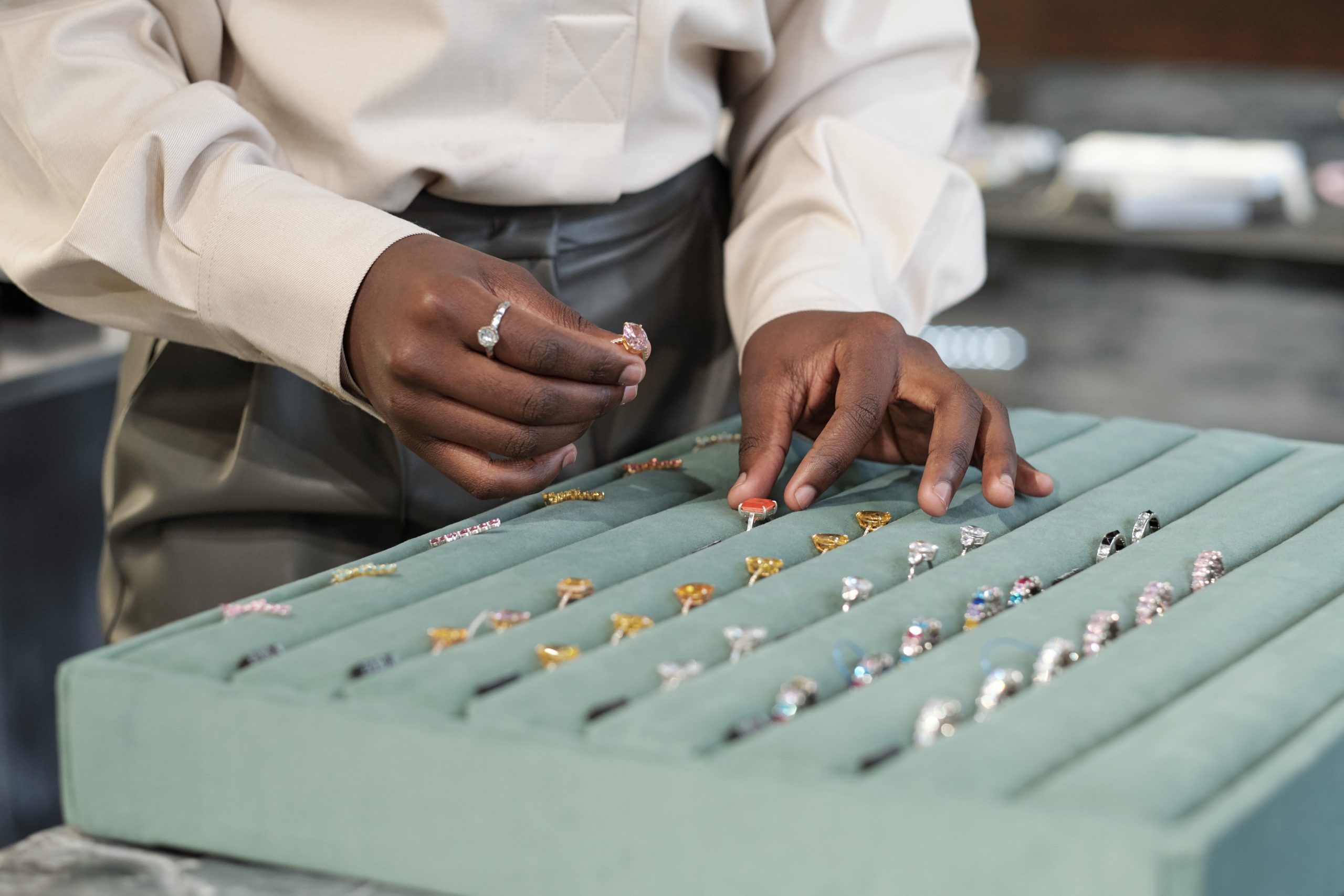
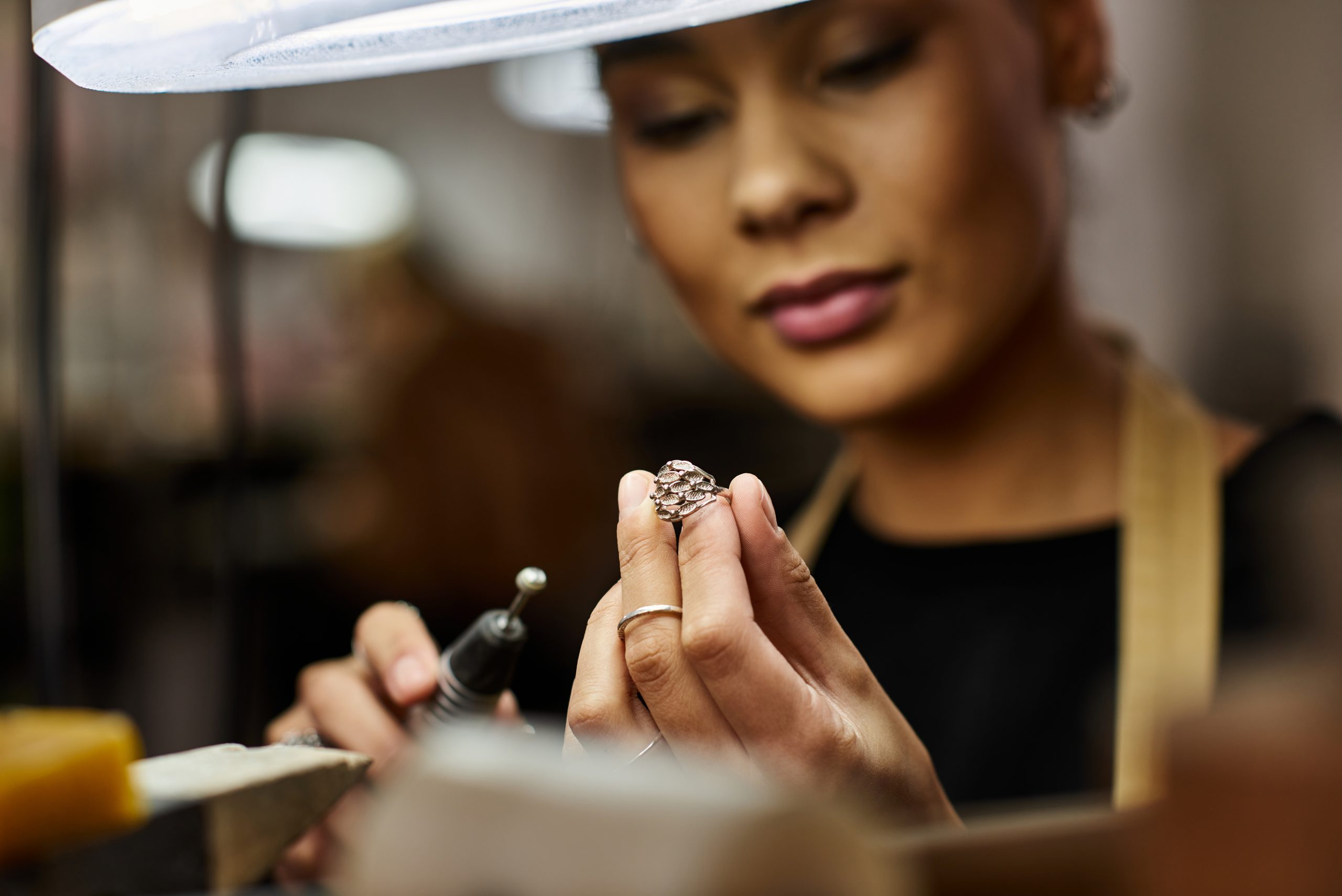
India’s jewelry manufacturing strength lies in its depth. From gemstone cutting and sorting to alloying, casting, hand fabrication, stone setting, engraving, enameling, polishing, and export logistics, the supply chain is highly integrated. But this depth cannot be fully understood through catalogs, emails, or video calls. An in-person visit allow buyers and designers to see how materials move through each stage of production, how quality is controlled, and how craftsmanship and technology intersect. They reveal the difference between workshops that merely execute and partners who truly understand design intent, tolerances, and brand standards. For buyers building private label collections, exclusive lines, or long-term vendor relationships, this visibility is critical. It informs pricing conversations, lead times, customization capabilities, and scalability, factors that directly affect margins and reliability back home.
India’s Unique Advantage is Craftsmanship at Every Level
What sets India apart in jewelry manufacturing is the presence of skilled labor at every tier of production. Many workshops are family-run, with generations of goldsmiths, stone setters, and engravers who possess deep material fluency. This is particularly valuable for fine and high jewelry brands where nuance matters: where millimeters, symmetry, stone orientation, and finishing are not negotiable. Buyer trips offer the chance to evaluate this craftsmanship firsthand. You can assess consistency across pieces, understand where handwork adds value versus where technology improves precision, and determine whether a manufacturer is suited for bespoke one-of-a-kind pieces, limited runs, or scalable collections. This clarity is difficult to achieve remotely, and often prevents costly misalignment later.
Factory Visits as a Sourcing Strategy Tool
Strategic sourcing is not about finding the lowest price; it is about finding the right partner. One-on-one meetings enable buyers to ask better questions: How is labor structured? What compliance standards are followed? How are stones sourced and sorted? What happens when something goes wrong?
These conversations build trust and accountability. They also allow brands to communicate expectations clearly, from ethical standards to quality thresholds to timelines. Over time, this mutual understanding leads to smoother production cycles, fewer errors, and stronger collaboration. For brands concerned with transparency and responsible sourcing, factory visits are not optional; they are foundational.
Why IGJS Is a Strategic Starting Point
The International Gem & Jewellery Show (IGJS) in April is designed specifically to support this deeper approach to sourcing. Rather than overwhelming attendees with scale alone, IGJS curates access to vetted manufacturers across fine jewelry, high jewelry, diamonds, and colored stones, many of whom are equipped to work with international buyers seeking long-term partnerships. IGJS functions as both an introduction and a filter. It allows buyers to compare capabilities, initiate conversations, and identify manufacturers worth visiting beyond the show. For many attendees, the real value of IGJS begins after the booths, when meetings turn into factory visits and introductions turn into relationships.
The Power of Traveling With Peers
One of the most overlooked benefits of attending IGJS and participating in buyer trips to India is the experience of traveling alongside peers. These journeys are not solitary sourcing missions; they are shared learning environments. Traveling with fellow buyers, designers, and industry professionals creates space for honest conversations: about challenges, expectations, pricing realities, and market shifts. Insights are exchanged informally, often outside formal meetings, and relationships form organically. These peer connections often become just as valuable as manufacturer relationships. They lead to collaborations, referrals, shared resources, and a deeper understanding of global market dynamics. In an industry that still relies heavily on trust and reputation, these relationships are invaluable.
Building Relationships That Extend Beyond the Trip
The most successful buyer trips do not end when the flight home lands. They lay the groundwork for ongoing collaboration: return visits, expanded production, co-development of collections, and long-term growth on both sides. Manufacturers are invested when relationships are built face-to-face. Seeing a buyer make the effort to visit, listen, and understand their process fosters mutual respect. That respect translates into better communication, priority treatment, and a shared sense of ownership over the final product. In a market where consistency and reliability are increasingly rare, these relationships become a competitive advantage.
Sourcing as Brand Strategy
For jewelry brands today, sourcing is inseparable from storytelling. Consumers want to know where pieces come from, who made them, and why they matter. Buyer trips and factory visits provide real answers, not marketing abstractions. India offers brands the opportunity to speak honestly about craftsmanship, heritage, and collaboration. When approached with care and intention, it allows sourcing to become part of a brand’s identity rather than a behind-the-scenes necessity.
A Long-Term View of Manufacturing in India
Exploring jewelry manufacturing in India through buyer trips, factory visits, and IGJS is not about speed. It is about building something that lasts. It is about choosing partners carefully, learning deeply, and investing in relationships that support quality, transparency, and growth over time. For buyers and designers ready to think strategically about sourcing, April’s IGJS offers more than access, it offers context, connection, and a pathway into one of the world’s most sophisticated jewelry ecosystems. For those willing to travel alongside peers, ask thoughtful questions, and build real relationships, the value of that journey will extend far beyond a single show or season.
Building a Sourcing Strategy That Endures
Exploring jewelry manufacturing in India through buyer trips, meetings at the booth, factory visits, and IGJS is not about speed or convenience. It is about building sourcing strategies that can endure over time. It requires informed decision-making, cultural fluency, and a commitment to relationships that support quality and transparency. For those willing to engage deeply and travel thoughtfully, the rewards extend far beyond a single show or season. They extend into trust, reputation, and a sourcing foundation built to last. Pietra Communications’ CEO, Olga Gonzalez, is the USA Coordinator for the upcoming show in April. To learn more about attending, email info@pietrapr.com for details.
If you are a retailer, designer, wholesaler or manufacturer looking to outsource in India, and you’d like to apply join the April 2026 USA delegation, you can do so directly through the official IGJS portal here:
👉 https://intl.gjepc.org/visitor-registration/igjs-jaipur-2026
When filling out the form, please select “Olga González,” as the USA Coordinator from the dropdown menu so we can assist you with your application.
Here’s an overview of the itinerary:
- IGJS Jaipur Show: April 9–11 (all buyers attend)
- Jaipur & Mumbai Only: Fly April 12 from Jaipur to Mumbai. Factory visits April 13–14.
- Jaipur, Surat & Mumbai: Fly April 12 from Jaipur to Surat. Factory visits April 13–14, then travel by road to Mumbai April 14. Factory visits in Mumbai April 15–16.
About each city:
- Jaipur is the heart of colored gemstones—a global center for loose stones and gem-cutting, as well as the manufacturing of jewelry featuring precious and semi-precious gems.
- Mumbai is India’s natural diamond capital, known for its diamond-cutting houses and as the production hub for many of the world’s largest bridal and diamond jewelry brands.
- Surat is the world’s foremost center for lab-grown diamonds, from cutting and polishing to complete jewelry manufacturing.
Program benefits:
- A stipend is provided toward flight costs.
- Hotels and meals are covered for the show nights.
- There is no buying requirement for attending the show.
- Companies with over $1 million in annual turnover may also apply for the Mumbai or Surat factory visit extensions following Jaipur. These post-show visits are limited to 25 buyers, offering exclusive behind-the-scenes access to India’s top jewelry manufacturing facilities, so I recommend applying early if you’re interested.