
Why “Unpolished” Content Is Winning Right Now
For years, the trajectory of content creation moved in one direction. Higher production value meant higher perceived credibility. Better lighting, sharper edits, curated visuals, and carefully scripted messaging were all signals of professionalism, and brands invested heavily in achieving that level of polish because it communicated control, intention, and authority. Entire strategies were built around the idea that if something looked refined enough, it would be trusted. But that equation has fundamentally changed. Today, the content that performs best is often the least polished, the least edited, and the least curated. It is direct, immediate, and visibly human. It feels like it was created in real time rather than engineered behind the scenes. This shift is not subtle. It is redefining what credibility looks like in a digital environment that has become saturated with perfection.
What we are seeing now is not a rejection of quality, but a rejection of overproduction. Audiences are no longer equating polish with authenticity. In fact, they are increasingly doing the opposite. The more something looks produced, the more it raises questions about how it was made and why. The more something feels natural, the more it is trusted. This reversal is one of the most important changes happening in content right now, and it is particularly evident in video, where the contrast between real and constructed is impossible to ignore.
The Rise of Real-Time Video
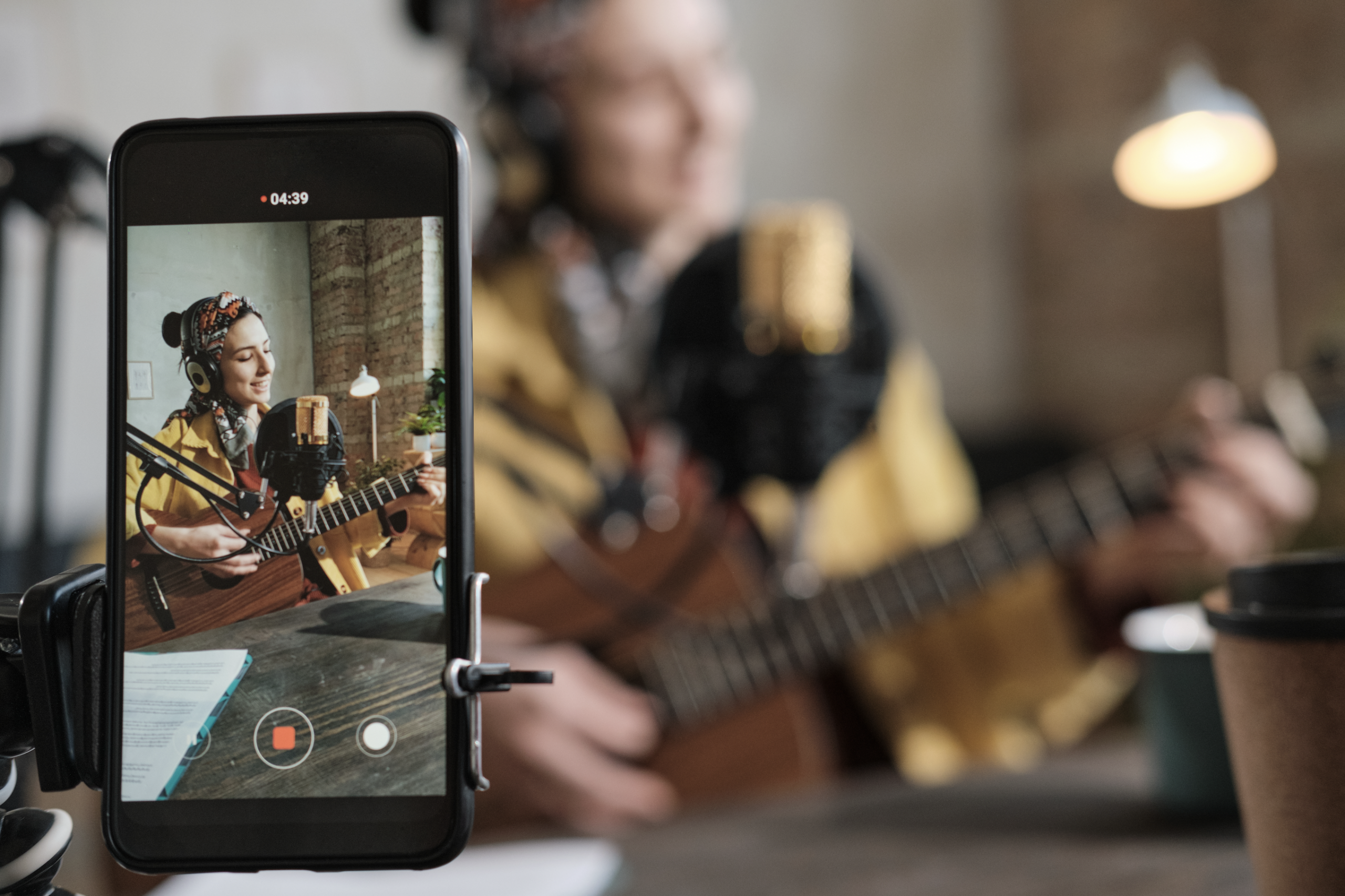
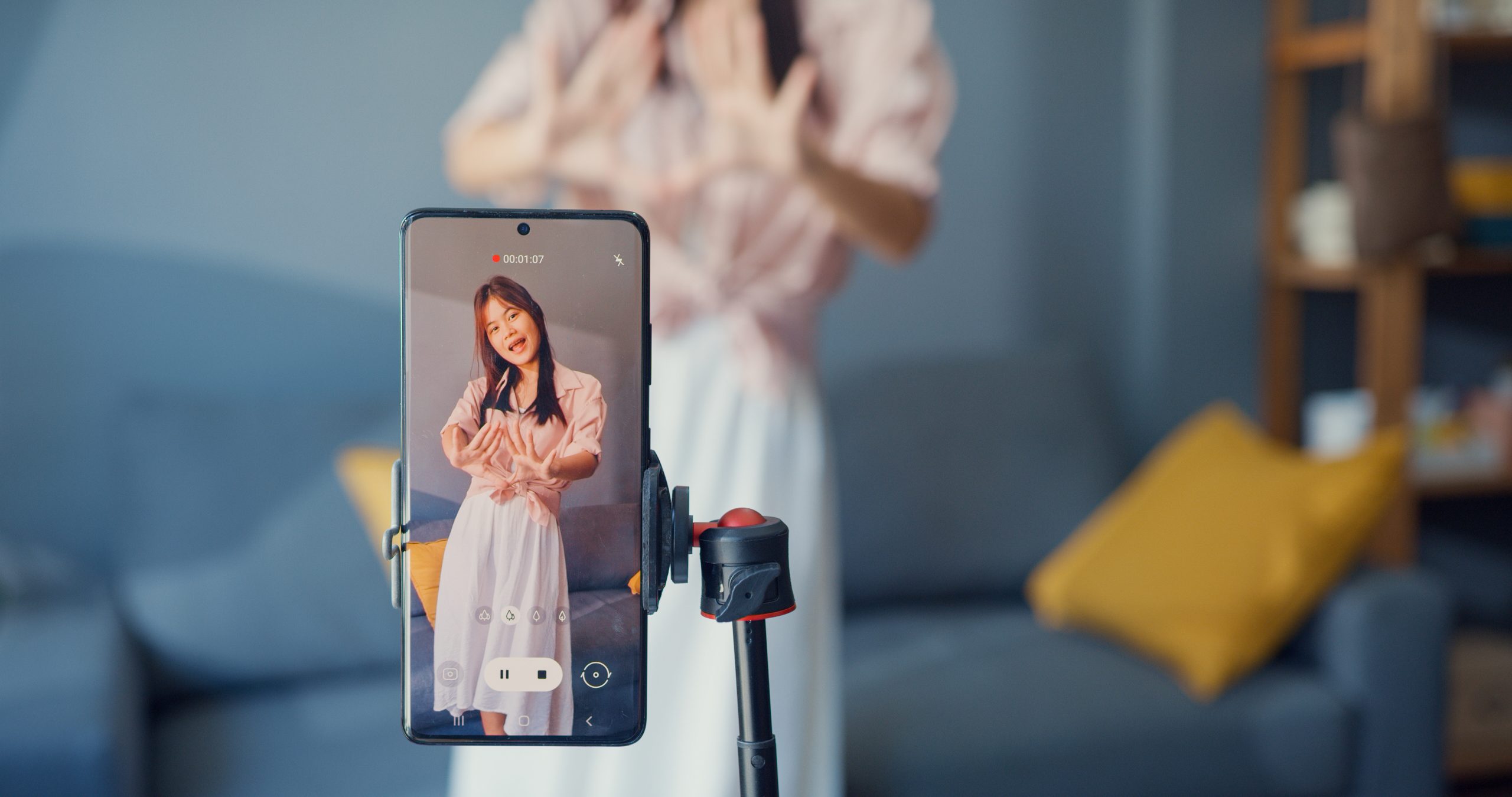
Video has become the dominant format across platforms, but the type of video that performs best is not what many brands initially expected. Highly produced campaigns still have a place, but they are no longer driving the same level of engagement or trust as simple, direct-to-camera content. What is working now are videos that feel immediate, unscripted, and unfiltered. These are often recorded on a phone, in a single take, with minimal editing, and feature someone speaking directly to the audience as if they are having a conversation rather than delivering a presentation.
This format works because it removes distance between the speaker and the viewer. When someone looks into the camera and speaks in a natural, conversational tone without obvious cuts or transitions, it creates a sense of presence that is difficult to replicate through production. The viewer does not feel like they are watching content. They feel like they are being spoken to. That distinction is critical. It shifts the experience from passive consumption to active connection.
In many cases, the imperfections are what make the content effective. Slight pauses, moments of hesitation, natural inflection, and even small mistakes reinforce that what the viewer is seeing is real. These details signal that the content was not overly rehearsed or manufactured. In an environment where so much content is optimized for perfection, these imperfections become markers of authenticity.
The Anti-AI Effect
One of the most significant forces driving this shift is the rapid rise of AI-generated content. As technology has advanced, it has become easier to produce content that is technically flawless. Videos can be edited seamlessly, scripts can be generated instantly, and visuals can be enhanced to a level that was previously inaccessible. The result is a digital landscape filled with content that looks polished, sounds polished, and feels polished. But in many cases, it also feels indistinguishable.
Audiences are responding to this saturation by gravitating toward content that feels different. Unpolished content has become a signal that something is human. When a video feels unscripted, slightly imperfect, or even a bit raw, it reassures the viewer that it was created by a person rather than generated or heavily engineered. This does not mean that audiences are rejecting technology, but it does mean that they are becoming more aware of it and more selective in what they trust.
There is now an underlying question that accompanies almost every piece of content. Was this made by a person, or was it produced by a system. The more polished something appears, the more likely it is to trigger skepticism. The more natural it feels, the more likely it is to be believed. This dynamic is reshaping not only how content is consumed, but how it is evaluated. Authenticity is no longer assumed. It is assessed.
Authenticity as a Conversion Strategy
This shift is not just about engagement metrics or social performance. It is directly impacting conversion. Across industries, brands are seeing that content which feels less curated often drives stronger business outcomes. When founders, designers, or team members speak directly to their audience in a straightforward and unfiltered way, it builds trust faster than a highly produced campaign ever could.
This aligns with what we are seeing in media and PR as well. Editors, audiences, and platforms are placing increasing value on perspectives that feel real rather than constructed. In a recent media response, we noted that audiences are actively moving away from overly polished content because it feels manufactured. The content that performs best is the kind that looks like someone simply pressed record and spoke. That immediacy creates a sense of honesty, and honesty drives action.
When a brand shows up in this way, it reduces friction. The audience does not have to decode the message or question its authenticity. They can respond to it directly. This creates a more efficient path from attention to trust to conversion, which is why this type of content is becoming such a powerful tool.
The Trust Gap Created by Overproduction
There is a growing trust gap in digital content, and it is being driven by overproduction. As content becomes more refined, it can also become more distant. The viewer becomes aware of the production rather than the message, and that awareness creates a barrier. Instead of focusing on what is being said, they begin to question how it was created and why it looks the way it does.
This does not mean that high production value is inherently ineffective, but it does mean that it must be used strategically. In many cases, less production allows the message to come through more clearly. It removes the layers that can obscure authenticity and replaces them with something more direct.
This is particularly important in industries where trust is central to the decision-making process. In luxury, wellness, and personal services, consumers are not just buying a product. They are buying into a perspective, a philosophy, or a relationship. That requires a level of authenticity that cannot be achieved through polish alone. It requires presence.
Why Video Is Leading the Shift
Video is at the center of this shift because it captures more than just information. It captures tone, expression, and energy. These elements are difficult to replicate artificially, and they are what make content feel real. A written post can be edited extensively without losing credibility, but a video reveals its construction immediately. The moment it feels overly scripted or overly edited, the viewer notices.
This is why direct-to-camera video has become such a powerful format. It allows brands to communicate in a way that feels immediate and unfiltered. The most effective videos right now are often the simplest. A founder sharing a perspective. A behind-the-scenes moment. A quick explanation of a product or idea. These formats do not require extensive production, but they do require clarity, confidence, and a willingness to be seen as you are.
The Shift From Curation to Presence
For years, content strategy was built around curation. Brands carefully controlled every aspect of how they appeared, from visual identity to messaging to tone. That level of control created consistency, but it also created distance. As audiences become more sophisticated, they are looking for something different. They are looking for presence. Presence is about showing up in a way that feels real and consistent over time. It is about speaking directly to your audience rather than presenting to them. It is about being visible in a way that feels natural rather than constructed. This does not mean abandoning strategy. It means evolving it. The goal is no longer to create the most polished version of a message. It is to create the most believable one.
This shift also reflects the pace at which content is now consumed. There is less time for production and more value in immediacy. Brands that can respond quickly, share perspectives in real time, and engage in ongoing conversations have a significant advantage over those that rely solely on planned, highly produced content.
An important part of this evolution is where and how content is created. Increasingly, the most effective video content is being produced in-house rather than outsourced to agencies or production teams. When content is created internally, it retains the voice, tone, and energy of the people behind the brand. It allows founders, designers, and team members to speak directly without layers of interpretation or over-editing that can dilute authenticity.
Outsourced content often introduces a level of polish that, while technically strong, can feel disconnected from the brand’s true voice. It can also slow down the process, making it harder to respond in real time or capture moments as they happen. In contrast, in-house video creation allows for speed, flexibility, and a level of honesty that is difficult to replicate externally. It makes it easier to show the behind-the-scenes, the in-between moments, and the unscripted perspectives that audiences are increasingly drawn to.
This does not mean abandoning professional production entirely, but it does mean rebalancing priorities. High-production content still has a role, particularly for campaigns and brand storytelling. However, the day-to-day content that builds trust and drives engagement is increasingly coming from within. It is created by the people who are closest to the work, in environments that feel real, and in a way that reflects the brand without over-curation. In this new landscape, the brands that stand out are not the ones with the most polished content. They are the ones that feel the most present.
What This Means for Brands
The implications of this shift are both strategic and practical. Brands need to rethink how they approach content creation, particularly video. Instead of focusing exclusively on production value, they need to focus on clarity, authenticity, and consistency. This means empowering founders and teams to speak directly to their audience and creating an environment where imperfection is not only accepted, but valued.
It also means recognizing that credibility is no longer built through polish alone. It is built through transparency and presence. Unpolished content does not mean unstrategic content. It still requires intention, clarity, and a strong point of view. But the delivery should feel natural rather than constructed.
The Future of Content Is Human
As AI continues to evolve, the value of human expression will only increase. The more content becomes automated, the more audiences will seek out signals of authenticity. This creates an opportunity for brands that are willing to show up in a real and unfiltered way. The content that wins will not be the most perfect. It will be the most believable. It will be the content that feels like it was created by a person, in real time, with something genuine to say.
In a landscape where everything can be produced, what stands out is what feels real. And right now, nothing feels more real than someone speaking directly to the camera, in their own voice, without polish, without filters, and without pretense. Because in the end, trust is not built through perfection. It is built through presence.